
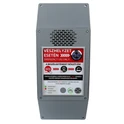
InterCom GSM Emergency Caller – GSM calling module for port and ambulance emergency call systems
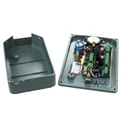
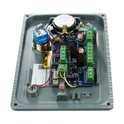
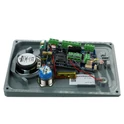
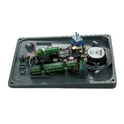
- Manufacturer: ASC Global
- Model: 100
-
Availability:
In stock
- Expected delivery: November 26, 2026
-
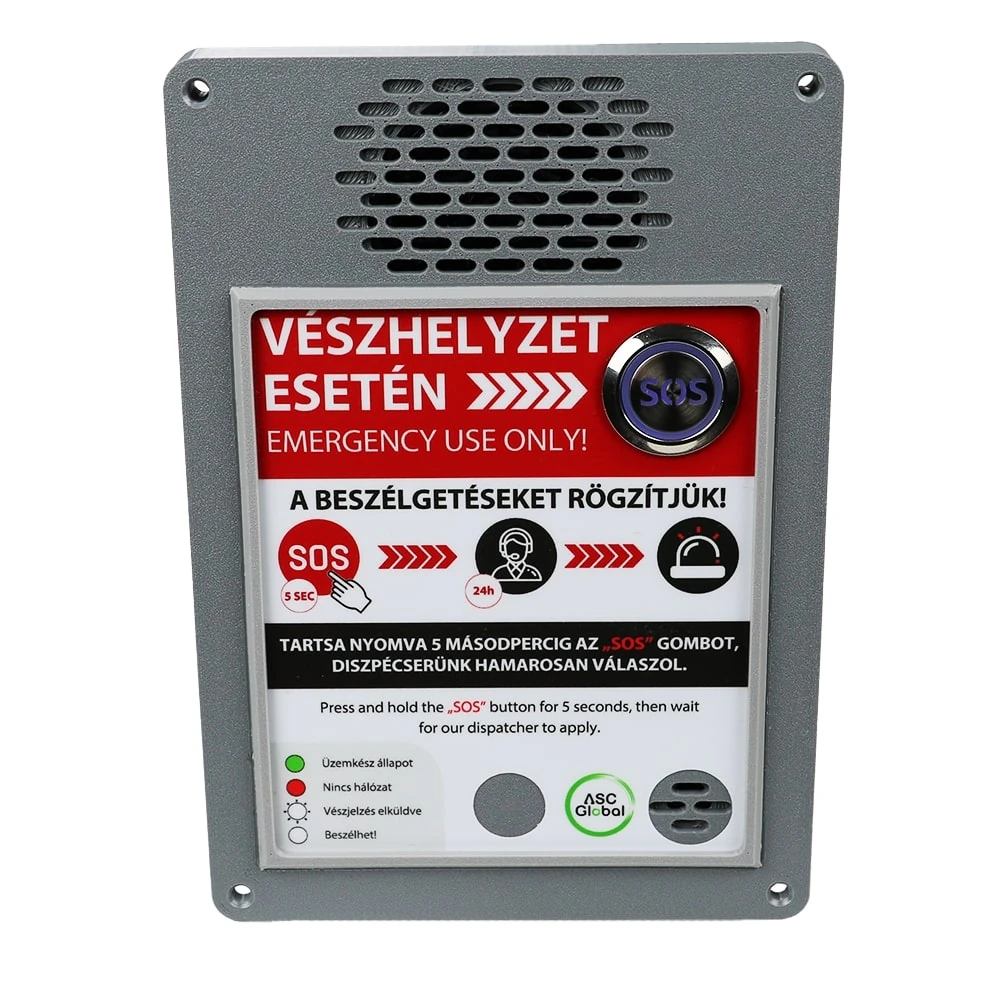
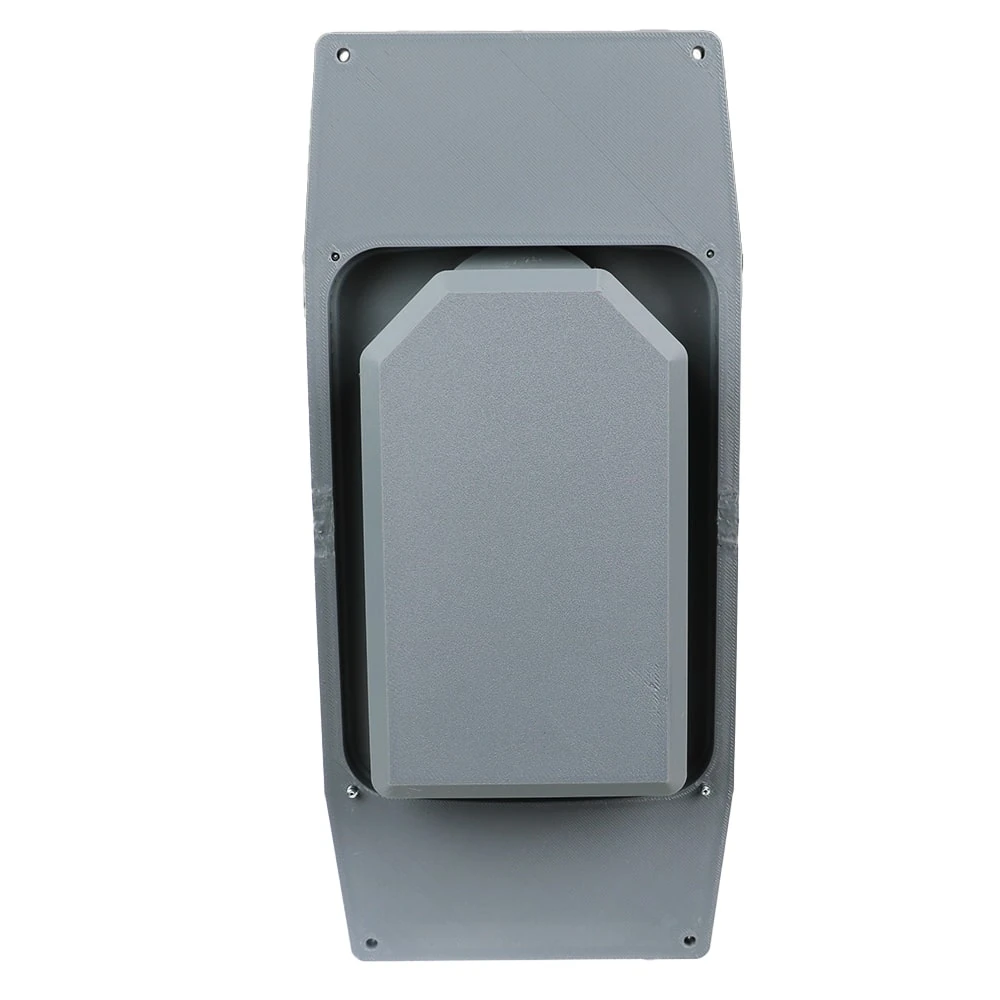
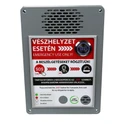
Universal GSM Caller with Speaker and Microphone, Recessed Design
The InterCom GSM Emergency Caller is a professional GSM calling module, ideal for concierge emergency calls, barrier calling, and medical emergency systems.
- SOS emergency calling button in a recessed design, providing immediate connection to up to 8 phone numbers; ideal for ambulance or central emergency systems.
- Two-way voice communication via speaker and microphone, with adjustable volume and microphone sensitivity (via ProRead software).
- Flexible I/O: 3 NO/NC inputs, 2 relay outputs with bistable or monostable operation, and DTMF control during conversation.
- Intelligent monitoring: GPRS signaling with SIA DC-09/Enigma protocols, free output control with caller ID, tamper protection, and power monitoring with ProBattery backup.
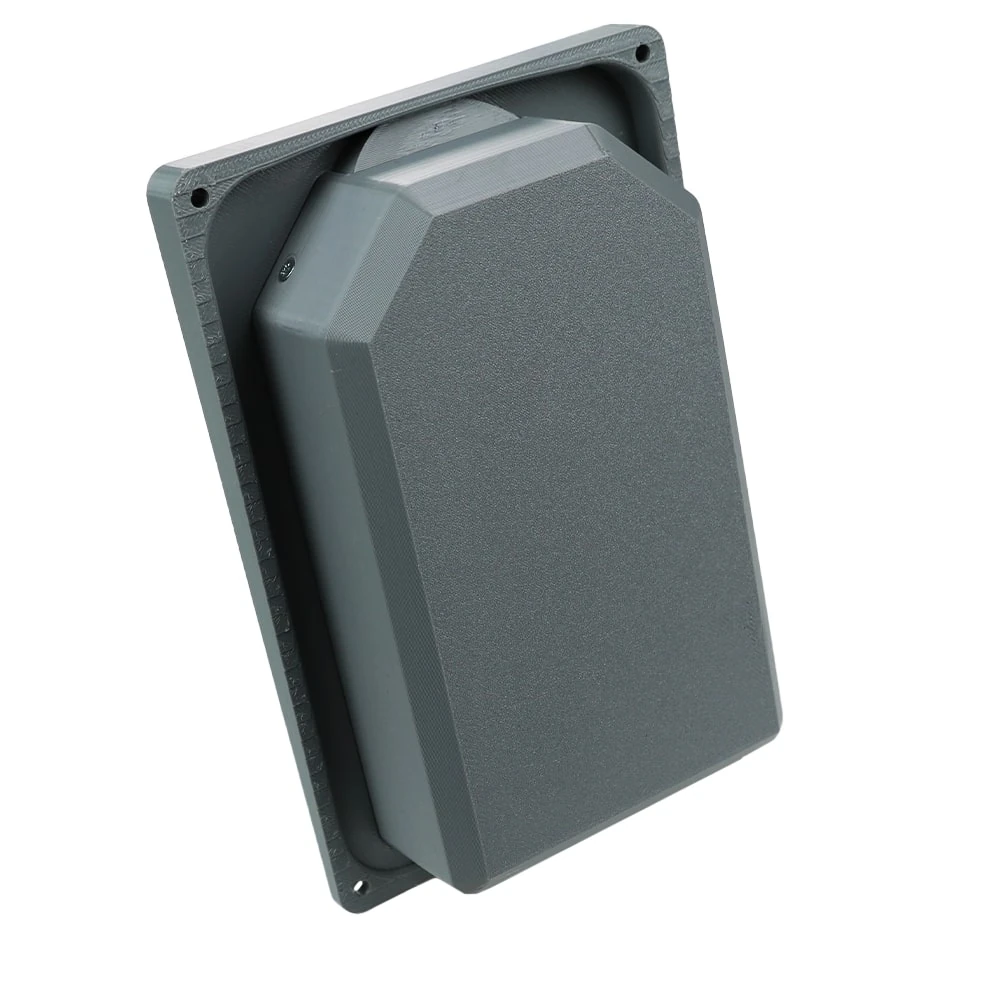
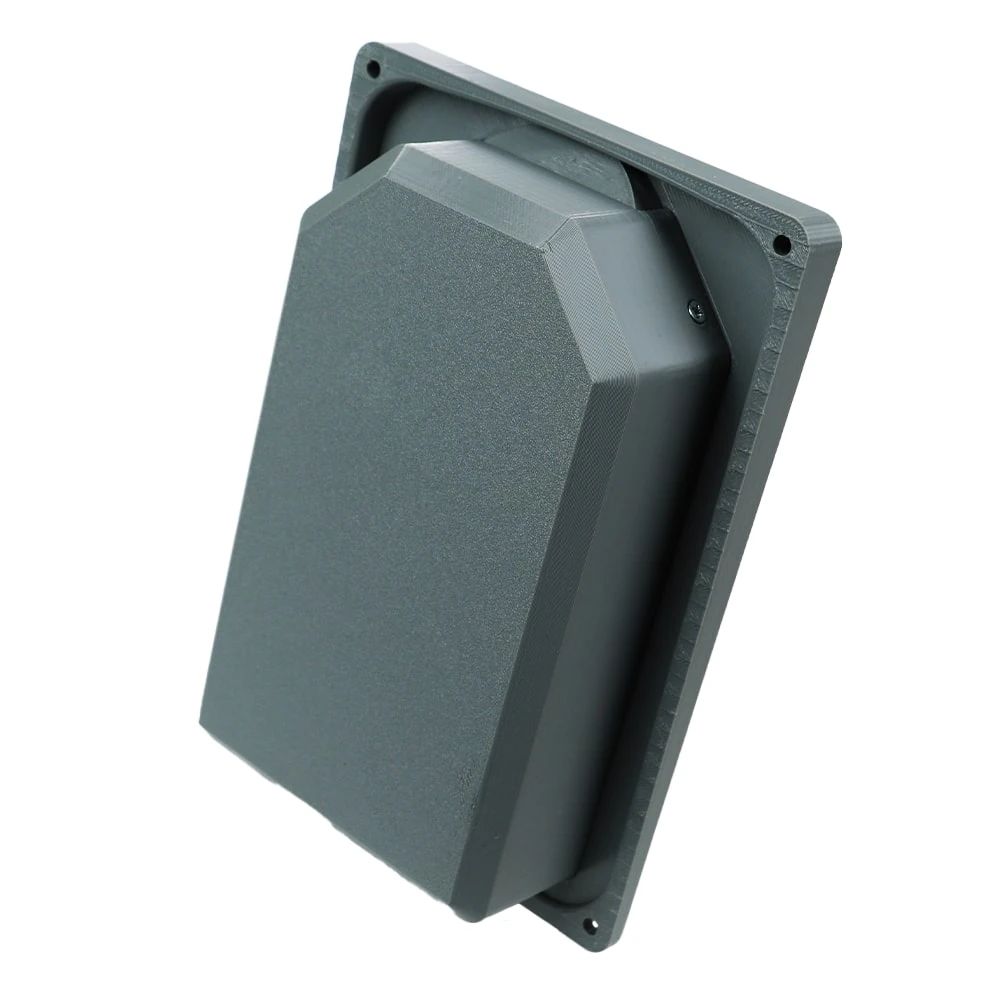
- Secure, recessed wall-mount design with optional frames, 16,000-event memory, continuous GSM signal strength monitoring, and SMS/PC/Android programming options.
-
Product tabs
Description
Main Features of the InterCom GSM Emergency Caller:
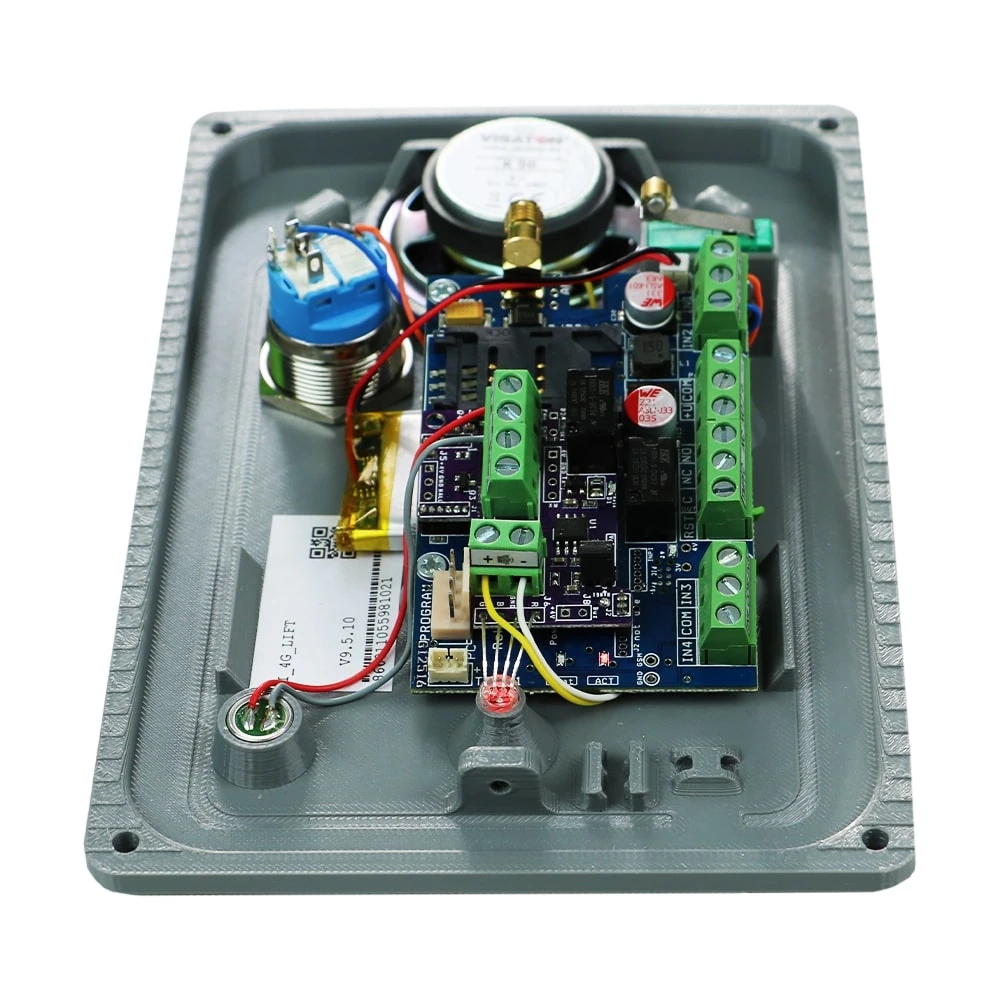
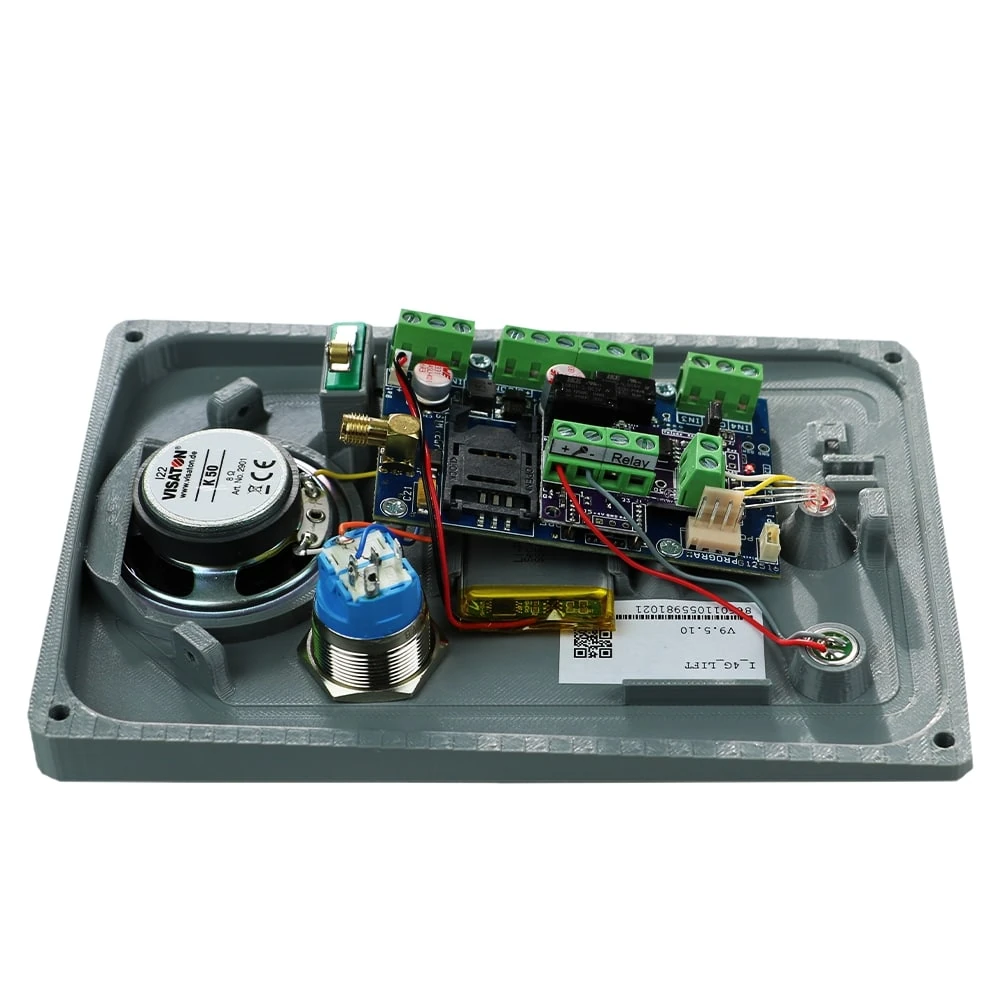
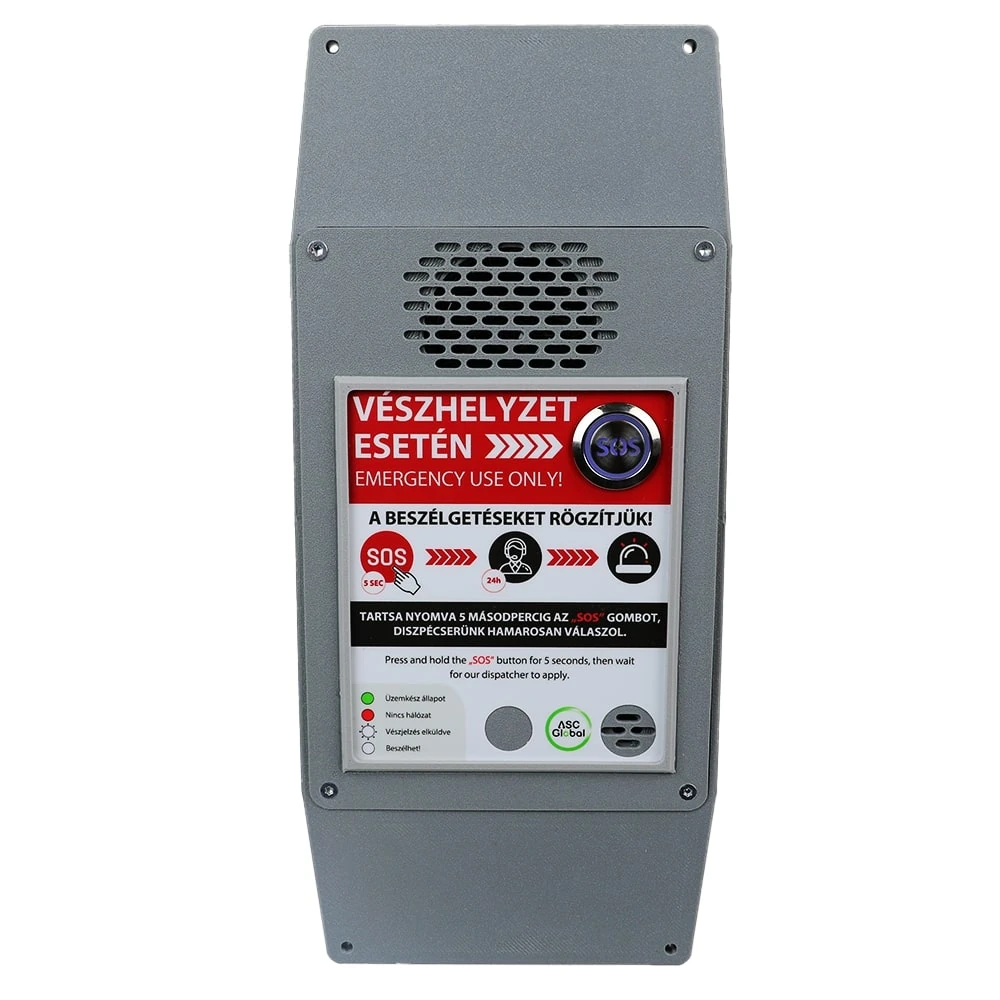
This central emergency calling solution provides emergency communication via the GSM network in a recessed design. The GSM calling module features a built-in speaker and microphone, enabling direct communication with concierge services or medical emergency call centers.
- GSM calling module with SOS button: By pressing the metal push button of the emergency system, it immediately establishes a connection with up to 8 phone numbers. Ideal for medical emergency or central emergency systems where rapid response is required.
- 3 free NO/NC contact inputs with SMS and voice message sending
- 8 notification phone numbers can be assigned to the inputs
- Voice-based communication is established with the called party via the speaker and microphone
- Adjustable volume and microphone sensitivity (via ProRead software)
- GPRS monitoring station signaling with SIA DC-09 and Enigma protocols: sending heartbeats and custom signals from the inputs
- 2 relay outputs that can be controlled during a conversation using DTMF codes
- Outputs can operate in bistable or monostable mode
- Free output control function from 1,000 phone numbers with caller ID, and from unlimited numbers without identification
- Housed in a tamper-protected casing
- Mains power monitoring with notification sending and uninterrupted operation with ProBattery backup (optional)
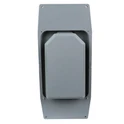
- Recessed wall-mount design with optional frames
- 16,000-event memory, continuous GSM signal strength monitoring
- SMS, PC, and Android programming
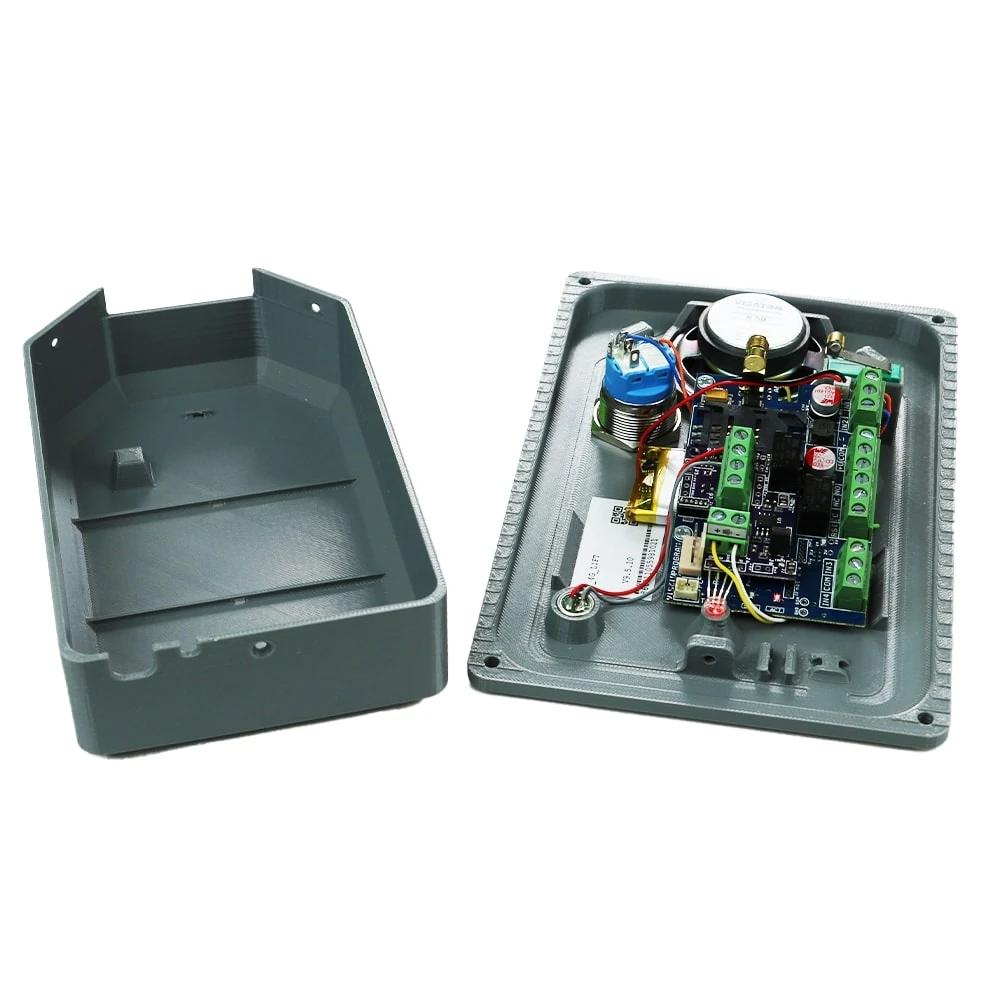
The InterCom GSM Emergency Caller establishes a connection with the called number via the GSM network, making the distance unlimited and allowing calls to any phone number. The speaker, microphone, and antenna are connected to the GSM module. To ensure better signal strength and avoid interference, the antenna wire should be unwound and placed as far from the GSM module as possible.
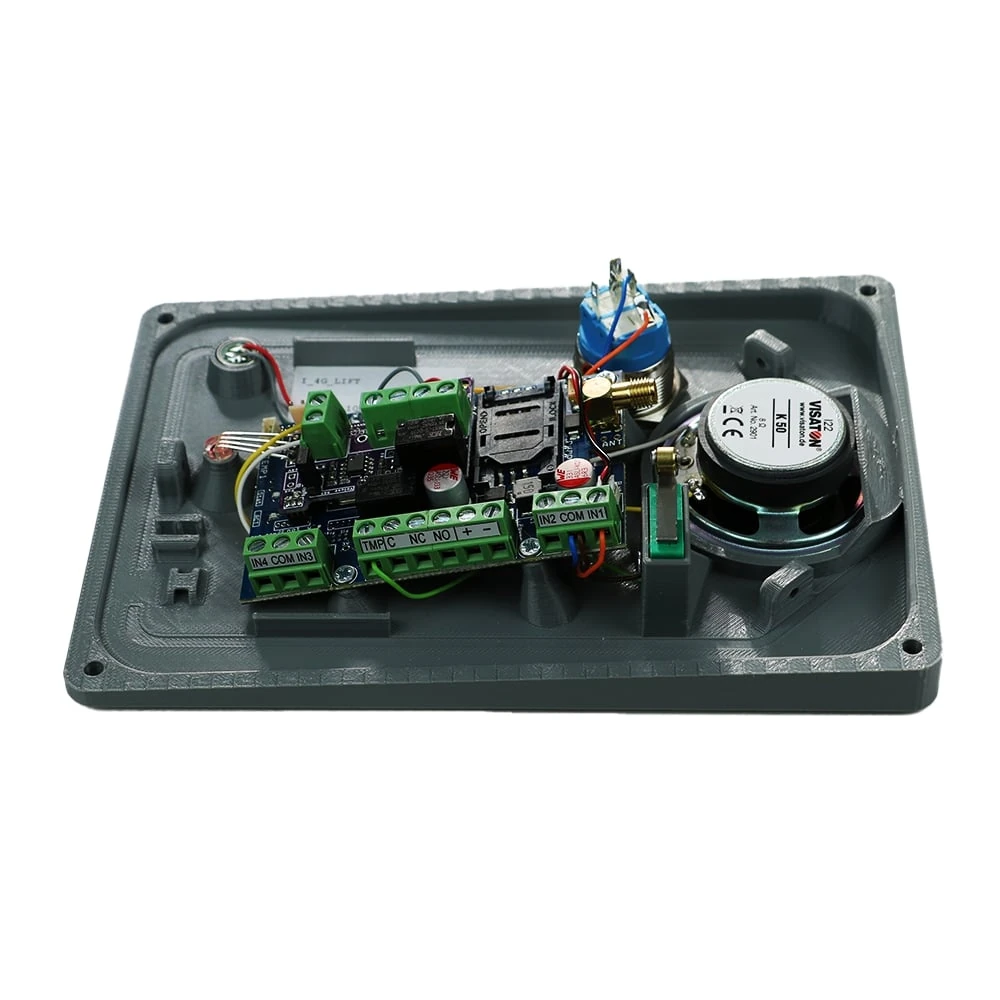
The InterCom GSM Emergency Caller module has 5 inputs in total. The inputs can be set to NO/NC states. You can specify 8 phone numbers in the module, which can be assigned to the inputs as desired. Input sensitivity is adjustable across 5 levels, ranging from 10 ms to 5 seconds. For calls, you can set the number of redials, the circular calling function, the ringing time, or even the conversation time. If required, the waiting time between calls can also be adjusted. In the InterCom GSM Emergency Caller, the push button and tamper occupy two inputs, leaving 3 additional freely usable inputs available.
The module features monitoring station signaling via standard Contact-ID, Enigma, and SIA-DC-09 protocols. This allows for automatic heartbeat signals, power monitoring, or notification sending via GPRS or voice call in case of input signals.
After answering the call, you can choose to control two outputs using buttons 4 and 6 on your phone. You can separately open a small gate, a large gate, or even a barrier; if you do not wish to open the gate, simply end the conversation.
The relay outputs can be monostable or bistable (the latter up to 65,000 seconds). Outputs can be controlled by unlimited phone numbers without caller ID, or by 1,000 phone numbers with caller ID. Registered control numbers can open the specified output for free via a "hang-up" call.
The module records power failures, output control (with caller ID), and input signals with accurate timestamps in a 16,000-event log. The event log can be exported to a file if needed. The device measures and logs GSM signal strength hourly, which can be displayed as a graph in the software.
The power monitoring function allows you to be notified of mains power failure via SMS or voice message. In the event of a power outage, a Lithium-polymer battery (ProBattery) equipped with a quick connector ensures continuous communication for up to 24 hours.
Programming can be done via computer (USB, Bluetooth, or WIFI connection) using the ProRead software, via SMS, or on Android (Bluetooth).

Application Areas:
- Concierge and Entrance Emergency Caller: The recessed GSM calling module is ideal for notifying concierge services at the entrances of apartment buildings, office buildings, and at barriers.
- Medical Emergency Call System: The GSM calling module can be used as a medical emergency station in public areas where rapid medical assistance is needed. It automatically transmits signals via the central emergency function.
- Central Emergency Integration: The GSM calling module features GPRS monitoring station signaling (SIA DC-09, Enigma, Contact ID), allowing it to be connected to central emergency systems.
- Gate and Barrier Control: The GSM calling module has 2 relay outputs, allowing for the control of gates or barriers via DTMF codes during a conversation.
For Central Emergency Systems:
The InterCom GSM calling module is fully compatible with central emergency systems. The GPRS signaling function allows emergency events to be automatically transmitted to the dispatch center. This is particularly important for medical emergency applications where every second counts. The central emergency system receives notifications in real-time with heartbeat transmission and event logging.


Reviews
Similar products

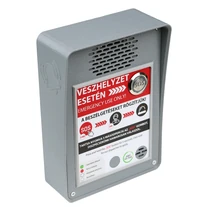
InterCom GSM Emergency Caller – Wall-mounted emergency call system for doors and entrances
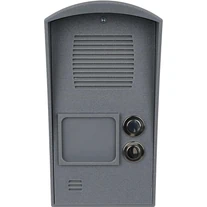
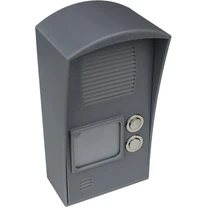
InterCom GSM Kit 2 flats - GSM call forwarding device (intercom / lifts)
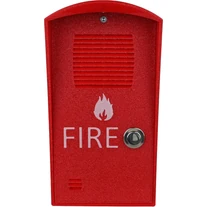
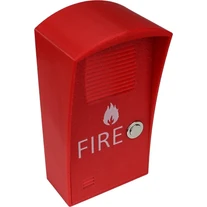
InterCom GSM Kit Emergency - GSM emergency call, with GPRS, SMS and voice calls
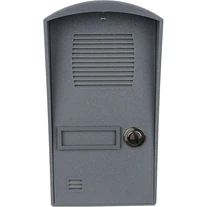
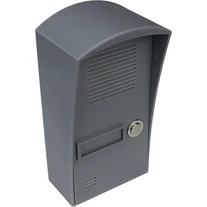
InterCom 4G Kit 1 flat - 4G call forwarding device (intercom / lifts)
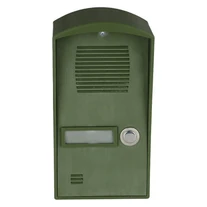
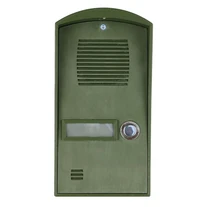
InterCom GSM Kit Forest - GSM caller, with GPRS, SMS and voice calls
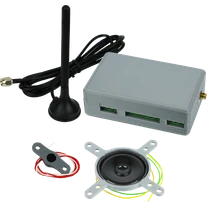
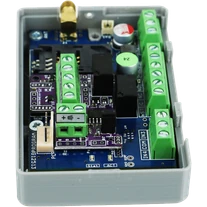
InterCom 4G Monitoring Set – 4G door phone module for door phone systems on the 4G network
InterCom GSM Kit 1 flat - GSM call forwarding device (intercom / lifts)
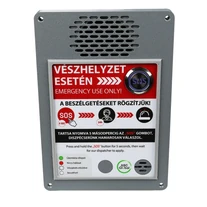
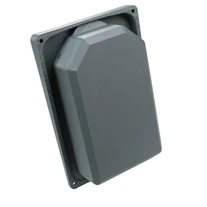
InterCom 4G Emergency Caller – Elevator emergency call system for flush mounting via 4G network
InterCom 4G Emergency Caller – GSM emergency call system with speaker and microphone